





Your Cart ($0.00)
The Science Behind Peptide-Powered Skin Health
The Science Behind Peptide-Powered Skin Health
Are There Any Peptides That Help Improve Skin Condition?
Have you ever wondered if those little chains of amino acids called peptides could be the key to healthier, more radiant skin? In today’s beauty landscape, where anti-aging and skin health take center stage, peptides have emerged a powerful, science-backed solution In this comprehensive guide, we’ll explore what peptides are, how they work to improve skin condition, the types available, and real-world applications that can benefit your creation efforts.
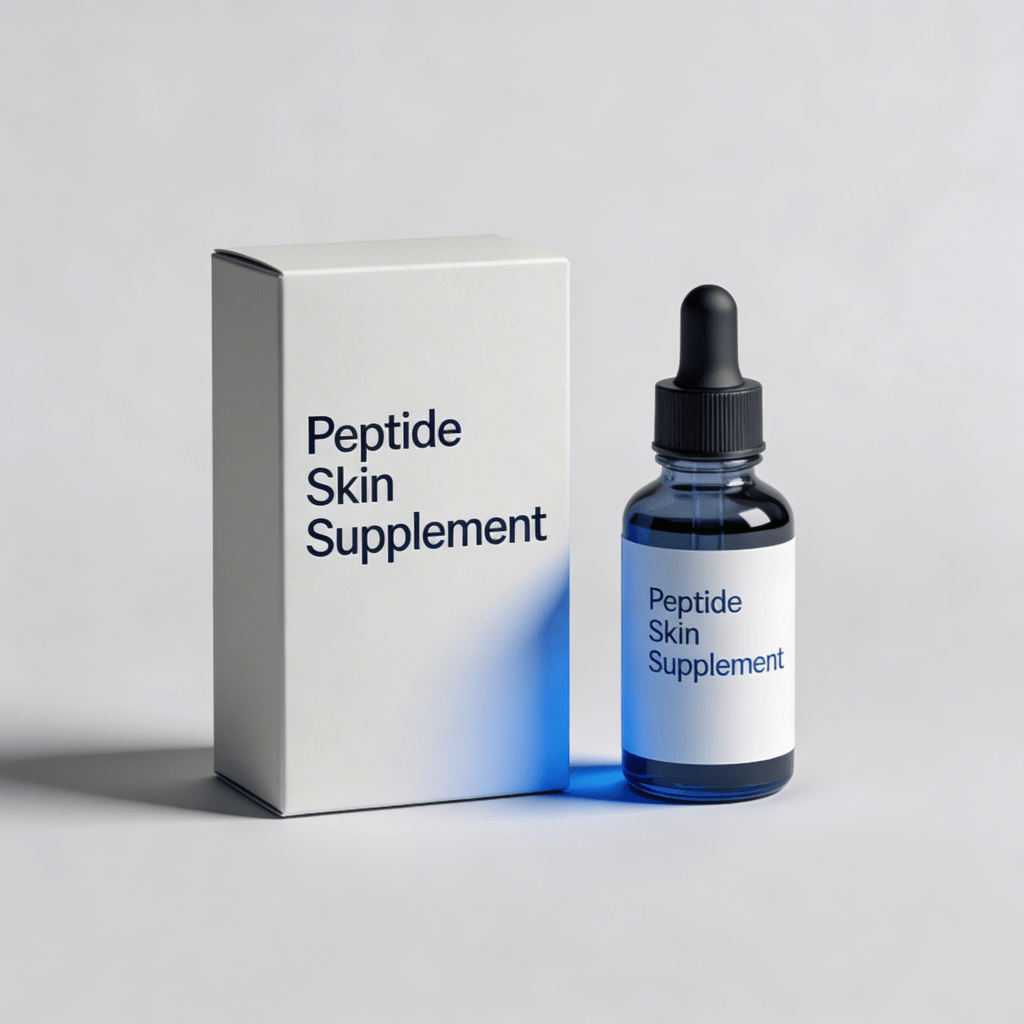
What Are Peptides and Why Are They Gaining Popularity?
First, let’s go down the basics. Peptides are short chains of amino acids—smaller than proteins but still capable of performing vital functions in the body. Think of them as messengers communicate with skin cells to trigger specific responses. Unlike traditional anti-aging ingredients like retinol or chemical peels, peptides are often considered more gentle and less, making them suitable for sensitive skin types. This natural approach has driven their growing popularity in both professional and consumer skincare products.
The Science Behind Peptide Benefits for Skin
Peptides work by signaling cells to produce more collagen and elastin—the proteins responsible skin’s firmness and elasticity. This is particularly important we age, when natural collagen production slows down. Studies shown that certain peptides can increase collagen synthesis by up to 70% in just 8 weeks, a significant improvement compared to placebo treatments. Beyond collagen, peptides also have anti-inflammatory properties, which can help soothe irritated skin conditions like acne rosacea. They can also help regulate melanin production, reducing the appearance hyper-pigmentation. This dual benefit of stimulating production and reducing inflammation makes a versatile ingredient for various skin concerns.
Types of Peptides and Their Specific Function
Not all peptides are created equal, and types target specific skin concerns. Here are some of the most common and effective peptides used in skincare:
– Palmitoyl Pentapeptide-4 (Matrixyl): This is one of the most studied peptides, known for its ability to stimulate collagen and elastin production. It’s often found in anti-aging serums and creams especially for mature skin.
– Acetyl Hexapeptide-8 (Argireline) Commonly called ‘the Bx peptide,’ Argireline works by reducing muscle contractions that cause fine lines around the eyes and mouth. It’s an ingredient frequently seen in anti-wrinkle creams and lotions.
– Palmitoyl Oligopeptide and Palmitoyl Tetptide-7 (Matrixyl 3000): These two peptides workistically to boost collagen synthesis and improve skin firmness. They’re often combined in products targeting loss of elasticity.
– Pal-KTTKS: This peptide helps improve skin hydration by enhancing the skin’s natural moisture barrier.
– Cyclopropylalanine: A peptide that has shown promise in reducing the appearance of large pores and improving skin texture.
How Peptides Work to Improve Skin Condition
Understanding the application process is key to appreciate how peptides improve skin condition. When applied topically, peptides penetrate the skin outer layer (stratum corneum) and reach the dermis, where they interact with fibroblasts—the cells responsible for producing collagen. The process works like this:
1. Application: Peptides are typically found in serums, creams, or masks.
2. Absorption: With proper formulation (often using hyaluronic acid or other penetration enhancers), peptides can be absorbed into the skin.
3.Signal Transmission: Once inside, peptides bind to specific receptors on fibroblasts, a signal to produce more collagen.
4. Over time, increased collagen leads to fir, smoother skin, reduced wrinkles, and improved overall skin health.
Peptides can also help skin conditions like acne by reducing inflammation and regulating oil production. For example a peptide-based serum might be recommended for with combination skin who wants to reduce large pores and improve texture.
Real-World Applications and User Experiences
Peptides are more than just another trendy skincare ingredient—they’re a scientifically-backed solution for improving skin condition, from reducing wrinkles to soothing irritation. Whether you’re targeting anti-aging concerns, acne, or hyper-pigmentation,’s a peptide out there that can help. The key is that peptides work by signaling cells to produce more collagen and elastin, resulting in healthier, more radiant skin.
Subscribe Now to our newsletter to receive the latest updates on skincare science, content creation strategies, and exclusive tips from industry experts. Don’t miss out on the opportunity to stay ahead in your field!