





Your Cart ($0.00)
Stem Cell Skincare: A Deep Dive into Its Anti-Aging Efficacy
Stem Cell Skincare: A Deep Dive into Its Anti-Aging Efficacy
Are you constantly on the lookout for the next big breakthrough in achieving youthful, radiant skin? In the ever-evolving world of beauty and dermatology, few ingredients have generated as much buzz and intrigue as stem cells. Promises of cellular regeneration, wrinkle reduction, and a complete skin overhaul often accompany products boasting “stem cell technology.” But with so much hype, it’s natural to wonder: Is stem cell skincare really that effective, or is it just a clever marketing ploy?
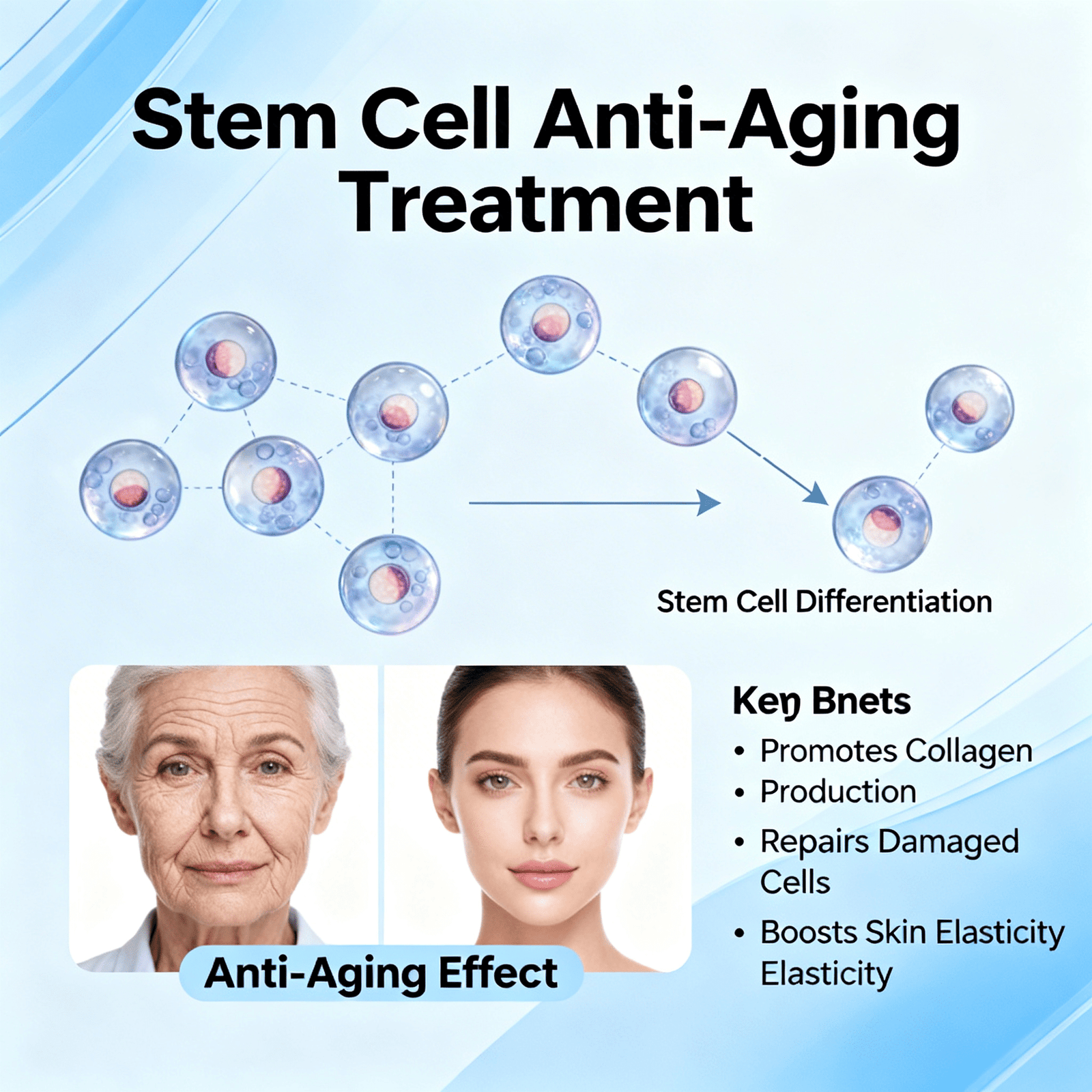
The quest for eternal youth often leads us down fascinating scientific paths, and the concept of harnessing the regenerative power of stem cells for our skin is undeniably captivating. From plant-derived extracts to advanced biotechnological compounds, the term “stem cell cosmetic” has become synonymous with cutting-edge anti-aging solutions. Understanding the true efficacy behind such claims is vital, not just for personal use but also for crafting authentic and informed content. This article will cut through the noise, exploring what stem cells truly bring to your skincare routine and analyzing the scientific evidence behind their much-vaunted anti-aging effects. Get ready to uncover the truth about this fascinating frontier of dermal rejuvenation.
Understanding the Buzz: What Are Stem Cells in Skincare?
At its core, the fascination with stem cells in skincare stems from their incredible potential for renewal. Stem cells are essentially the body’s master cells, capable of developing into many different cell types and possessing a unique ability to self-renew. In theory, applying these to your skin could trigger a cascade of regenerative benefits, repairing damage, and reversing the visible signs of aging. However, it’s crucial to understand a key distinction: live, functional stem cells cannot survive in a cosmetic product. The cells in your jar aren’t going to suddenly integrate into your skin and start dividing.
So, what exactly are we talking about when we mention “stem cell skincare”? Typically, these products contain either extracts derived from plant stem cells or signaling molecules, like growth factors and exosomes, which are harvested from human-derived stem cells cultured in a lab. These are the active components believed to communicate with your existing skin cells, encouraging them to function more optimally.
Plant-Derived Stem Cells: Nature’s Regenerative Extracts
The majority of stem cell cosmetic products on the market utilize plant-derived stem cells. These are not whole, living plant cells, but rather extracts rich in antioxidants, peptides, and other beneficial compounds from specific parts of plants known for their regenerative capabilities.
Common examples include:
Apple Stem Cells (Malus Domestica Fruit Cell Culture Extract): Often sourced from a rare Swiss apple, these extracts are lauded for their longevity and ability to protect skin cells from environmental stress.
Grape Stem Cells (Vitis Vinifera Fruit Cell Extract): Rich in powerful antioxidants, they help protect the skin from UV damage and free radicals, contributing to overall anti-aging efforts.
Edelweiss Stem Cells (Leontopodium Alpinum Callus Culture Extract): Known for their resilience in harsh alpine environments, these extracts offer strong antioxidant and anti-inflammatory properties, aiming to strengthen the skin’s barrier.
The idea here is that these plant extracts provide a rich source of nutrients and protective compounds that can help fortify your existing dermal cells, enhancing their vitality and resilience against environmental aggressors. They work as powerful antioxidants, helping to reduce oxidative stress that leads to premature skin aging.
Human-Derived Growth Factors and Exosomes: Advanced Cellular Messengers
A more advanced, and often more expensive, category of stem cell skincare involves human-derived components. These products don’t contain human stem cells themselves but rather the powerful signaling molecules that stem cells produce.
Key components include:
Growth Factors: These are proteins that play a vital role in cell growth, proliferation, and differentiation. When applied topically, growth factors are theorized to communicate with your skin cells, encouraging them to repair damage, produce more collagen and elastin, and accelerate cellular renewal. This directly supports the skin’s anti-aging mechanisms.
Exosomes: These tiny vesicles are released by cells, including stem cells, and act as messengers, transferring proteins, lipids, and genetic material to other cells. In skincare, exosomes are believed to deliver beneficial signals that can promote skin repair, reduce inflammation, and enhance rejuvenation at a cellular level.
The focus with these ingredients is on enhancing the skin’s natural regenerative processes from within, prompting a more youthful cellular behavior. This approach aligns closely with the body’s intrinsic mechanisms for maintaining healthy, vibrant skin.
The Promise of Stem Cell Skincare: Targeting Anti-Aging Concerns
The allure of stem cell skincare lies in its potential to address a wide array of anti-aging concerns. Brands often highlight these products as revolutionary solutions for restoring skin’s youthful vitality. The theoretical benefits often touted by cosmetic companies paint a very promising picture for anyone seeking effective anti-aging solutions.
Let’s explore the primary promises:
Cellular Renewal and Regeneration: The foundational claim is that stem cell extracts can stimulate the skin’s own renewal processes, leading to a faster turnover of old, damaged cells and the generation of newer, healthier ones. This is thought to result in a fresher, more vibrant complexion.
Boosting Collagen and Elastin Production: Collagen provides firmness, and elastin gives skin its elasticity. As we age, the production of these crucial proteins declines, leading to wrinkles and sagging. Stem cell ingredients are proposed to encourage dermal fibroblasts—the cells responsible for producing collagen and elastin—to ramp up their activity, thereby improving skin structure and resilience.
Powerful Antioxidant Protection: Many stem cell extracts, particularly those from plants, are rich in potent antioxidants. These compounds combat free radicals, which are unstable molecules that damage skin cells and accelerate aging. By neutralizing free radicals, these ingredients help protect the skin from environmental stressors like UV radiation and pollution.
Reducing Fine Lines and Wrinkles: By promoting cellular regeneration and boosting collagen/elastin, stem cell skincare aims to visibly diminish the appearance of fine lines and wrinkles, leading to a smoother, more youthful complexion.
Improving Skin Firmness and Elasticity: With increased collagen and elastin, the skin is expected to become firmer and more elastic, combating the loss of tautness that often accompanies aging. This contributes to a lifted and more contoured appearance.
Enhancing Skin Tone and Texture: Improved cellular turnover and repair can also lead to a more even skin tone, reducing hyper-pigmentation and redness, and refining the overall texture for a softer, smoother feel.
Essentially, stem cell skincare products aim to work at a deeper cellular level, not just superficially. They promise to help the skin help itself, leveraging its innate capacity for repair and renewal to combat the comprehensive signs of aging.
The Scientific Verdict: Is Stem Cell Skincare Truly Effective?
Now for the million-dollar question: Does the science back up the lofty claims? This is where the narrative becomes a bit more nuanced. While the concept is exciting, the direct, profound regeneration of skin with topical cosmetic products containing live stem cells is not scientifically supported, as viable cells cannot survive in a cream. The efficacy largely depends on the byproducts or extracts used.
Many studies on stem cell extracts are performed invitro (in a lab dish), showing promising results on isolated cells. However, replicating these effects invivo (on actual human skin) is significantly more challenging. Key hurdles include the stability of the ingredients in a formulation, their ability to penetrate the complex dermal layers effectively, and the precise dosage required to elicit a noticeable biological response.
That being said, the research, though still evolving, suggests that certain stem cell-derived ingredients can offer significant benefits:
Antioxidant and Anti-Inflammatory Properties: Plant stem cell extracts are consistently shown to be rich in antioxidants, which are incredibly beneficial for protecting the skin from damage and reducing inflammation. This alone contributes to an anti-aging effect by preventing premature cellular degradation.
Support for Collagen and Elastin: While not directly creating new stem cells in the skin, some growth factors and peptides derived from human stem cell cultures have demonstrated the ability to signal existing skin cells (fibroblasts) to increase their production of collagen and elastin. This can lead to improvements in skin firmness and the reduction of fine lines over time.
Improved Hydration and Texture: Several studies, often sponsored by product manufacturers, indicate that formulations with stem cell extracts can improve skin hydration, reduce transepidermal water loss, and enhance overall skin texture, leading to a smoother and more radiant complexion.
A crucial takeaway for anyone considering these products is this: While promising, the direct regeneration of skin with topical stem cells (as living cells) is not scientifically supported for cosmetic products. Instead, focus on the beneficial growth factors, peptides, and antioxidant properties derived from these scientific advancements.
It is important to look for products that are transparent about their specific ingredients (e.g., “epidermal growth factors,” “fibroblast growth factors,” “Malus Domestica Fruit Cell Culture Extract”) rather than vague “stem cells.” Leveraging tools for accurate research and compelling content creation is key.
What to Look For in Stem Cell Skincare Products
If you’re intrigued by the potential and want to explore stem cell skincare, here’s how to approach it with an informed perspective:
1. Look Beyond the Hype: Don’t be swayed by just the term “stem cells.” Dig deeper into the specific ingredients. Are they plant-derived extracts, or are they human-derived growth factors or exosomes?
2. Ingredient Transparency: Reputable brands will clearly list the specific type of stem cell extract or growth factor used, often with their INCI (International Nomenclature Cosmetic Ingredient) names. This indicates a higher level of scientific backing and quality control.
3. Combination Formulations: The most effective anti-aging products often combine multiple proven ingredients. Look for stem cell-derived components alongside well-established performers like retinoids, Vitamin C, hyaluronic acid, and peptides. These synergistic formulations can offer comprehensive benefits for your skin.
4. Reputable Brands and Research: Prioritize brands that invest in independent third-party testing and clinical studies for their products. While not all studies are perfect, a commitment to research lends credibility.
5. Focus on Specific Benefits: If your primary concern is firmness, look for products that specifically highlight growth factors. If it’s antioxidant protection, plant-derived extracts might be more relevant.
Want to stay ahead of the curve on the latest in skincare science and marketing insights? Subscribe Now for exclusive content delivered right to your inbox!
Conclusion: An Informed Approach to Stem Cell Skincare
Stem cell skincare, while not a magic bullet containing live, regenerating cells, represents a fascinating frontier in the beauty industry. Its efficacy largely stems from the sophisticated utilization of stem cell byproducts—powerful growth factors, peptides, and antioxidant-rich extracts that signal your skin’s existing cells to perform at their best. These ingredients hold genuine promise in supporting cellular renewal, boosting vital collagen and elastin, and providing robust protection against environmental damage, all crucial elements in a comprehensive anti-aging strategy.
For those dedicated to understanding the science behind the sensational, the take-home message is clear: approach stem cell cosmetic claims with an informed eye. Look for transparency, specific ingredients, and a brand’s commitment to research. While not performing miracles, the right stem cell-derived ingredients can certainly be a valuable, supportive addition to your skincare routine, helping your dermal layers maintain their youthful vitality. By making educated choices, you can effectively navigate the promises of modern skincare and invest in products that truly deliver on their potential for healthier, more resilient skin.
Ready to unlock more expert insights and elevate your understanding of the beauty and tech world? Subscribe Now to our newsletter and join a community dedicated to informed decisions and innovative ideas!