





Your Cart ($0.00)
Improving Your Skincare: What Steps Should You Take?
Improving Your Skincare: What Steps Should You Take?
For beauty spa clients who invest in professional treatments, maintaining optimal skin health between appointments is crucial. The skincare industry has evolved dramatically, offering sophisticated solutions that go beyond basic cleansing and moisturizing. Whether you’re dealing with aging concerns, specific skin conditions, or simply want to enhance your complexion, understanding the right steps to improve your skincare routine can make a significant difference in achieving radiant, healthy skin.
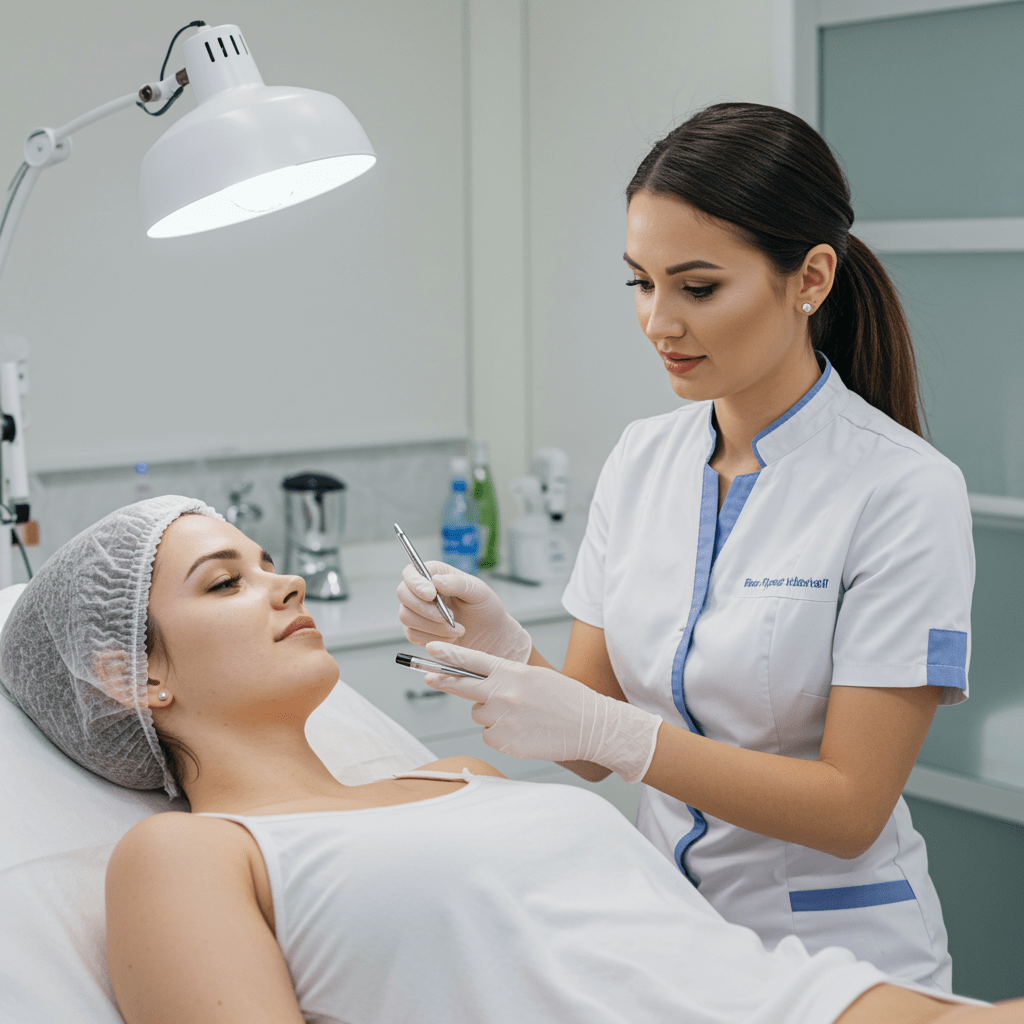
This comprehensive guide will walk you through essential skincare practices, evidence-based ingredients, and product recommendations that dermatologists and skincare experts endorse. By implementing these strategies, you’ll be better equipped to maintain the results of your spa treatments and address common skin concerns effectively.
The Foundation: Building an Effective Skincare Routine
The cornerstone any successful skincare regimen begins with simplicity and consistency. As skincare experts emphasize, the most effective routine is one you can adhere to daily without feeling overwhelmed. The beauty industry often promotes complex, multi-step routines that can be intimidating and expensive, but research shows that a basic three-step approach forms the foundation of healthy skin.
Essential Daily Steps
Your daily skincare routine should include three fundamental elements:
1. Cleansing: Removing impurities, makeup, and excess oil without stripping your skin’s natural barrier
2. Moisturizing: Hydrating and protecting your skin throughout the day and night
3. Sun Protection: Shielding your skin from harmful UV rays that accelerate and cause damage
These three steps alone can dramatically improve skin health and appearance. According to skincare professionals, “The ‘best’ skincare routine is the one you’ll adhere to day-in and day-out. Keep it simple.” This doesn’t mean you can’t incorporate additional products as needed, but starting with these essentials ensures you’re covering the most critical aspects of skincare.
Leveling Up Your Routine
Once you’ve established the basic three-step routine, you can consider adding targeted treatments based on your specific concerns:
– Eye cream: Addresses delicate under-eye skin and reduces puffiness
– Exfoliator: Removes dead skin cells for brighter, smoother skin
– Nighttime serum: Delivers concentrated active ingredients while you sleep
– Face mask: Provides intensive treatment for specific concerns
– Retinol or anti-aging products: Targets signs of aging and promotes cell turnover
Remember that consistency matters more than the number of products you use. A simple, consistent routine will yield better long-term results than an elaborate one you can’t maintain.
Evidence-Based Ingredients for Optimal Skin Health
With countless skincare products and ingredients available, it’s essential to focus on those backed by scientific research. Dermatologists and cosmetic chemists consistently recommend a short list of ingredients proven to deliver results.
Sunscreen: The Ultimate anti-aging Tool
Sunscreen isn’t just for beach days—it’s a daily necessity for maintaining skin health and preventing premature aging. Research has conclusively shown that regular sunscreen use significantly reduces the visible signs of aging and protects against skin cancer.
The American Academy of Dermatology recommends using broad-spectrum sunscreen with SPF 30 daily. “Because it’s subject to strict regulation, finding a sunscreen that works is easy,” explains dermatologist Ivy Lee. “In general, look for the words ‘broad-spectrum’ on the label.”
Recent innovations sunscreen technology have made it easier than ever to incorporate this essential step into your routine. Products like Medicube’s No Cast Just Glow Collagen Sunscreen offer lightweight, hydrating formulas that blend seamlessly with makeup while providing robust protection. As one satisfied customer noted,The texture is lightweight and smooth, and it applies effortlessly without any dragging or heaviness. True to the name, there is absolutely no white cast, which is something I really appreciate, especially with daily sunscreen use.”
Retinoids: The Gold Standard for anti-aging
Retinoids, vitamin A derivatives, remain the most researched and effective ingredients for treating aging and acne. These compounds promote cell turnover, increase collagen production, and improve skin texture.
“Retinoids bind to retinoic acid receptors in the skin, promoting cell turnover, increasing collagen and elastin production, improving acne, and reducing fine lines and wrinkles,” explains Dr. Lee. While prescription retinoids offer the most potent effects, over-the-counter options like retinol and adapalene provide benefits.
When incorporating retinoids into your routine, start with lower concentrations and gradually increase as your skin adapts. Most retinol formulations max out at 1 percent, which is considered an effective concentration for over-the-counter products.
Niacinamide: The Multi-Tasking Powerhouse
Niacinamide, or vitamin B3, has gained recognition as a versatile ingredient suitable for various skin types and concerns. This ingredient strengthens the skin barrier, reduces inflammation, minimizes pores, regulates oil production, and improves hyper-pigmentation.
“Clinical studies show 5 percent niacinamide can visibly improve skin texture and tone over eight to 12 weeks,” notes dermatologist Amy B. Lewis. Niacinamide works particularly well for those who can’t tolerate more aggressive ingredients like retinoids, making it an excellent choice for sensitive skin.
Hydroxy Acids: Exfoliation for Radiant Skin
Hydroxy acids, including alpha hydroxy acids (AHAs) and beta hydroxy acids (BHAs), are proven exfoliants that reveal brighter, smoother skin. AHAs like glycolic and lactic acid work by loosening the bonds between dead skin cells, while BHAs like salicylic acid penetrate pores to dissolve sebum and prevent breakouts.
“BothHA and BHAs have been clinically proven to treat acne, hyper-pigmentation, and the signs of aging,” confirms Dr. Lewis. These ingredients are effective in concentrations ranging from 5-10 percent for AHAs and 0.5-2 percent for BHAs.
Advanced Skincare: Stem-Cell Technology
As the industry continues to evolve, stem-cell technology has emerged as a promising frontier in anti-aging treatments. Stem cells, naturally found in the skin’s deepest layers, serve as the body’s built-in repair system. “Stem cells are your skin’s built-in repair system,” explains dermatologist Asmi Berry. “Located in the deepest layer of the skin, stem cells are tasked with creating new, healthy skin cells when old or damaged cells are ready for retirement.”
However, it’s important to understand that most stem-cell skincare products don’t contain live stem cells. Instead, they utilize “collections of exosomes and/or growth factors that are supposed to signal to your own skin cells to morph into healthier cells, which then produce more collagen and act like younger cells,” according to Dr. Arash Akhavan.
How to Incorporate Stem-Cell Products
When considering stem-cell skincare, look for serums formulated with these advanced ingredients. Apply them to clean, dry skin, preferably at night when your skin is in repair mode. Products like SkinMedica TNS Advanced+ Serum and Neocutis Bio Serum Firm have shown promising results in improving skin firmness and texture.
While stem-cell technology shows great potential, experts recommend using these products as supportive treatments rather than replacements for proven actives like retinoids. “They can improve skin quality, resilience, and recovery, especially in aging or post-procedure skin, but they work best alongside proven actives rather than replacing them,” Dr. Berry advises.
Choosing the Right Products for Your Skin
With countless skincare brands available, selecting products that align with your skin type and concerns can be overwhelming. Fortunately, many effective options are accessible at various price points, including quality drugstore brands that dermatologists frequently recommend.
Trusted Drugstore Brands
– CeraVe: Offers gentle, effective products suitable for various skin types, including their popular moisturizing lotion and salicylic acid cleanser
– Neutrogena: Known for reliable, oil-free formulas like the Hydro Boost Water Gel, ideal for hydration without heaviness
– La Roche-Posay: Specializes in products for sensitive skin, with the Toleriane line providing straightforward, safe ingredients
– Cetaphil: Excellent for dry skin, as their cleansers clean without stripping natural oils
– Olay: A drugstore anti-aging powerhouse, with the Regenerist line offering comprehensive anti-aging solutions
These brands provide quality formulations without the premium price tags, making effective skincare accessible to everyone.
Travel-Friendly Options
For clients who travel frequently or prefer smaller sizes, several brands offer excellent travel-sized skincare options. These products allow you to maintain your routine while on the go without sacrificing effectiveness or convenience.
Creating Your Personalized Skincare Plan
The most effective skincare routine is one tailored to your specific skin type, concerns, and lifestyle. Consider these factors when developing your plan:
1. Identify your primary concerns: Are you focusing on anti-aging, acne, hyper-pigmentation, or overall skin health?
2. Determine your skin type: Oily, dry, combination, sensitive, or normal
3. Consider your lifestyle: How much time can you realistically dedicate to skincare each day?
4. Factor in professional treatments: Coordinate your at-home routine with the treatments you receive at your beauty spa
Start with a basic routine and gradually introduce new products one at a time, allowing your skin to adjust. This approach helps you identify which products work best for your skin while minimizing the risk of irritation.
Maintaining Results Between Spa Appointments
Regular beauty spa treatments can significantly enhance your skin’s appearance, but maintaining those results requires a consistent at-home routine. By incorporating evidence-based ingredients and practices, you’ll extend the benefits of professional treatments and achieve long-term improvements in your skin health.
Remember that skincare is a journey, not a destination. What works for one person may not work for another, so be patient and willing to adjust your routine as needed. Consult with your skincare professional or dermatologist if you experience persistent issues or need personalized recommendations.
Conclusion: Your Path to Healthier Skin
Improving your skincare doesn’t require complicated routines or expensive products. By focusing on the essentials—cleansing, moisturizing, and sun protection—and incorporating proven ingredients like retinoids, niacinamide, and hydroxy acids, you can achieve significant improvements in your skin’s health and appearance.
Whether you’re dealing with specific concerns or simply want to maintain the results of your spa treatments, a consistent, informed approach to skincare will serve you well. Remember that the best routine is one you can maintain consistently, so start simple and build from there.
Your skin is unique, and finding the right routine may take some experimentation. Be patient with the process, listen to your skin’s needs, and don’t hesitate to consult with skincare professionals for personalized advice. With the right approach, you’ll be well on your way to achieving the healthy, radiant skin you deserve.