





Your Cart ($0.00)
Essential Skincare Routine for Healthy, Youthful-Looking Skin
Essential Skincare Routine for Healthy, Youthful-Looking Skin
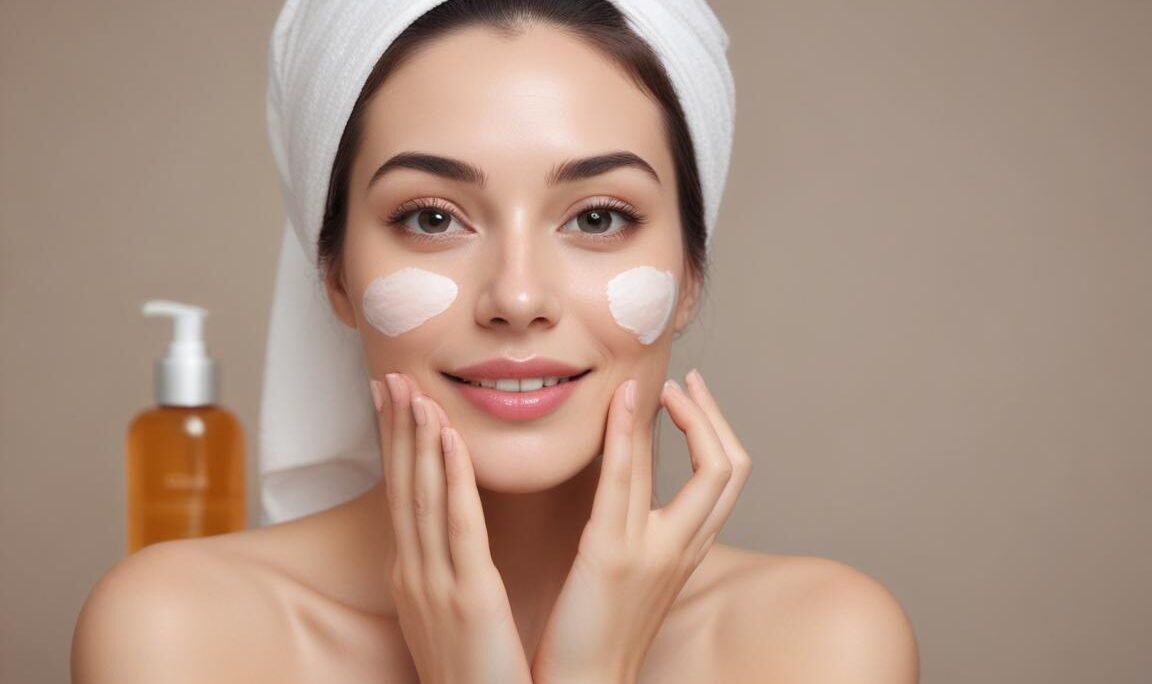
Building an effective skincare routine focuses on consistent, evidence-backed steps that support skin health, boost hydration, and reduce signs of aging. Below is a clear, practical guide you can follow daily and adapt to your skin type.
1 — Cleanse: The Foundation of Healthy Skin
Start with a gentle cleanser to remove dirt, oil, and environmental pollutants without stripping natural oils. Choose a formula suited to your skin type—gel or foaming cleansers for oily/combination skin, cream or lotion cleansers for dry or sensitive skin. Cleanse twice daily: morning and evening.
How to Cleanse Effectively
- Use lukewarm water—hot water can damage the skin barrier.
- Massage the cleanser gently for 30–60 seconds.
- Rinse thoroughly and pat skin dry with a clean towel.
2 — Targeted Treatments: Use Actives with Purpose
Targeted treatments address specific concerns like uneven tone, fine lines, or breakouts. Introduce active ingredients gradually and patch-test when trying something new.
Key Actives for Anti-Aging and Skin Improvement
- Vitamin C (morning): antioxidant protection and brightening.
- Retinoids (evening): support collagen production and cellular turnover—start slowly to build tolerance.
- Niacinamide: improves barrier function, reduces redness, and balances oil.
- AHAs/BHAs (exfoliation): use weekly or as tolerated to smooth texture and improve radiance.
Introducing Actives Safely
Rotate or layer actives cautiously. Example: Vitamin C in the morning, retinoid at night, and chemical exfoliant on non-retinoid nights. If irritation occurs, reduce frequency and consult a dermatologist if needed.
3 — Hydration and Barrier Support
Hydration is crucial for plump, resilient skin. Use humectants, emollients, and occlusives to hydrate and seal in moisture.
Hydrating Ingredients to Look For
- Hyaluronic acid: attracts and holds moisture.
- Glycerin: a reliable humectant that helps maintain hydration.
- Ceramides and fatty acids: restore and strengthen the skin barrier.
Layering for Hydration
Apply hydrating serums immediately after cleansing (on damp skin), then follow with a moisturizer to lock in moisture. For very dry skin, add an occlusive (like a light petrolatum-based balm) as the last step at night.
4 — Sun Protection: Non-Negotiable
Daily sun protection prevents premature aging, discoloration, and lowers the risk of skin cancer. Sunscreen is the most powerful anti-aging product.
Sunscreen Guidelines
- Use a broad-spectrum sunscreen with at least SPF 30 every morning, even on cloudy days.
- Apply generously—about a nickel- to quarter-sized amount for the face and neck.
- Reapply every two hours when outdoors, and after swimming or sweating.
5 — Lifestyle Factors That Support Skin Health
Skincare products are essential, but lifestyle choices significantly influence outcomes. Consider these foundational habits:
Daily Habits for Better Skin
- Stay hydrated—drink water throughout the day.
- Follow a balanced diet rich in antioxidants, healthy fats, and lean protein.
- Prioritize sleep and stress management—both affect skin repair and inflammation.
- Avoid smoking and minimize excessive alcohol consumption.
6 — Customizing Your Routine by Skin Type
Tailor steps and product choices to your skin’s needs for optimal results.
Quick Skin-Type Adjustments
- Oily/combination skin: lightweight gel cleansers, water-based serums, oil-free moisturizers, and non-comedogenic sunscreen.
- Dry skin: creamy cleansers, richer moisturizers, barrier-repair ingredients (ceramides), and nightly occlusive layers when needed.
- Sensitive skin: fragrance-free formulations, simplified routines, and gradual introduction of active ingredients.
- Mature skin/anti-aging focus: consistent retinoid use (as tolerated), peptides, hydrating hyaluronic acid, and regular sunscreen.
7 — When to See a Professional
Consult a dermatologist for persistent concerns, severe acne, rapidly changing skin lesions, or before starting potent prescription treatments. Professionals can recommend tailored regimens, in-office procedures, or prescription-strength actives when needed.
Signs to Book an Appointment
- Severe or cystic acne that doesn’t respond to OTC products.
- Rapidly changing moles or suspicious lesions.
- Persistent redness, irritation, or reactions to multiple products.
- Desire for prescription retinoids, professional peels, or laser options.
Final Thoughts
Effective skincare combines a consistent daily routine, targeted active ingredients, sun protection, and healthy lifestyle choices. Start simple, introduce actives cautiously, and adapt your approach as your skin’s needs change. With patience and the right fundamentals, you’ll support long-term skin improvement and resilience.